Field guide / Portable sanitation
Porta Potty Types for Florida Rentals
Different porta potty types serve different needs. We help you compare practical facilities for crews, accessible options for guests, and equipment with additional amenities.
Porta potty types compared
The table below is a planning guide, not a promise that every configuration is available for every date. Ask about actual equipment features before choosing. A unit's name does not answer all the questions about sinks, flushing, utility connections, or accessible placement.
| Type | Role | What to confirm |
|---|---|---|
| Standard unit | Basic temporary restroom for crews or guests | Count, duration, and servicing schedule |
| ADA-accessible unit | Accessible restroom provision | Unit specification and usable approach |
| Handwash station | Separate handwashing facilities | Supply, placement, and service needs |
| Flushing deluxe unit | Standalone restroom with additional amenities | Actual flushing and handwashing features |
| Restroom trailer | Alternative restroom format for events | Space, entry, access, and utility requirements |
Standard units and handwash stations
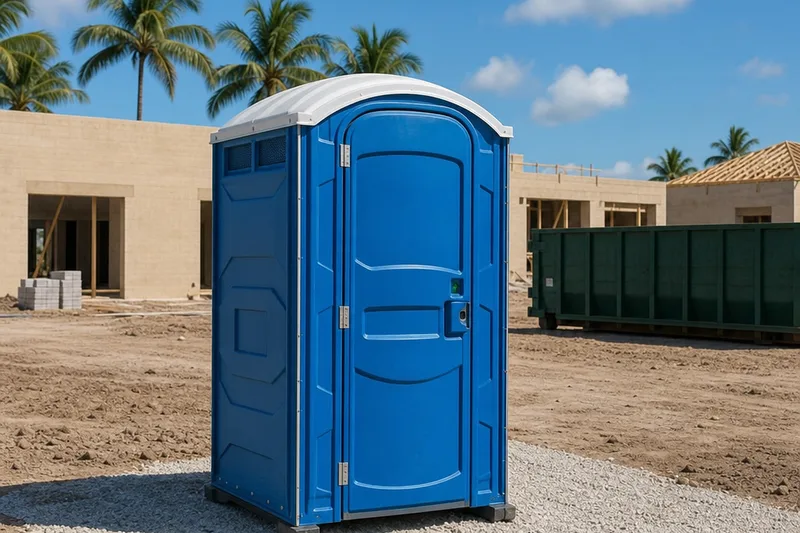
A standard unit is a useful starting point when the goal is straightforward temporary restroom access. For a construction project, pair the equipment discussion with your workforce and applicable site requirements. For an event, talk about guest count and how long the gathering lasts.
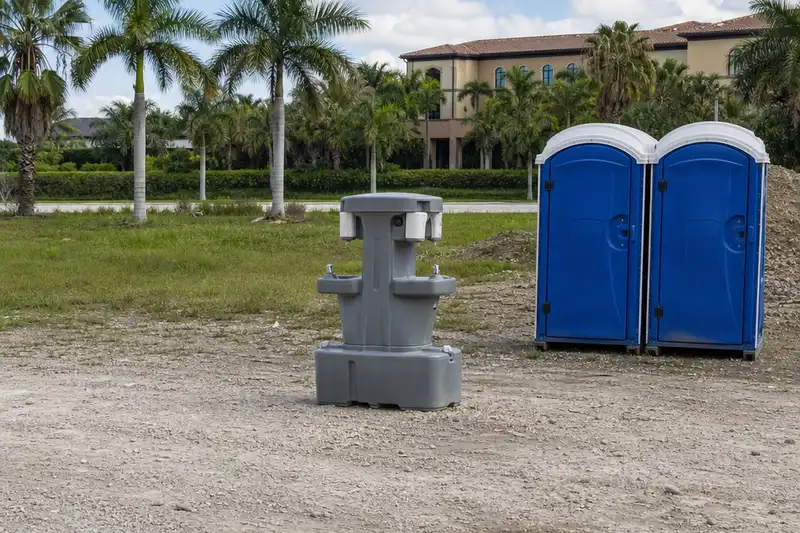
Handwash stations are a separate part of the plan. Do not assume a basic portable toilet includes a sink. Ask how the station is supplied and serviced, and position it where people can use it without blocking the restroom entrance or service route.
Long-term use calls for a service schedule. Discuss weekly servicing and explain any unusually heavy use or changing crew size. Confirm the actual frequency and what is included before delivery, then keep the truck route available throughout the rental.
ADA-accessible units need a usable location
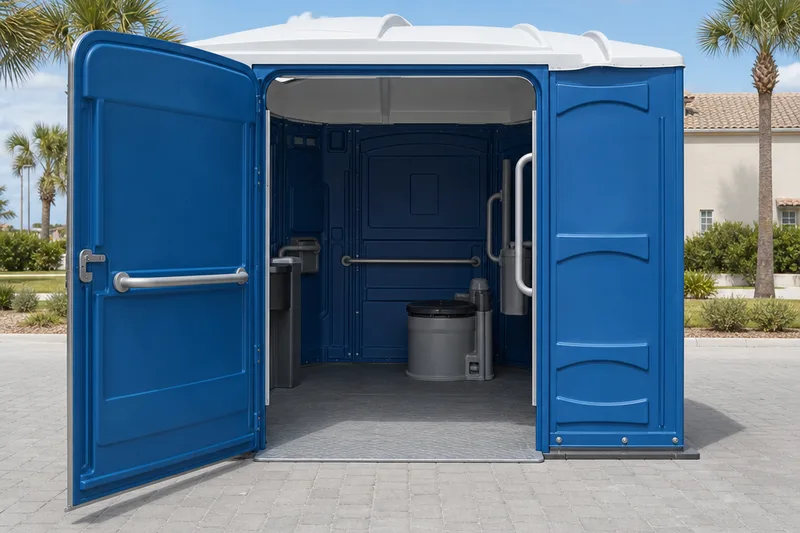
Make accessible facilities part of your first planning conversation. The unit matters, but so do level placement and the route leading to it. A correctly selected restroom cannot serve its purpose if access is blocked by a curb, equipment, or an unsuitable approach.
Official event requirements may set the accessible share of your equipment and the overall restroom count. Check the rules for the actual venue and event. Our Tampa portable restroom guide describes the City of Tampa park-event requirements; those details should not be treated as a statewide rule for every gathering.
Deluxe units and restroom trailers
A flushing deluxe unit may suit an event where additional features matter. Ask about the exact available model and what its amenities include. We would rather discuss the specific equipment than let an equipment label create expectations it cannot meet.
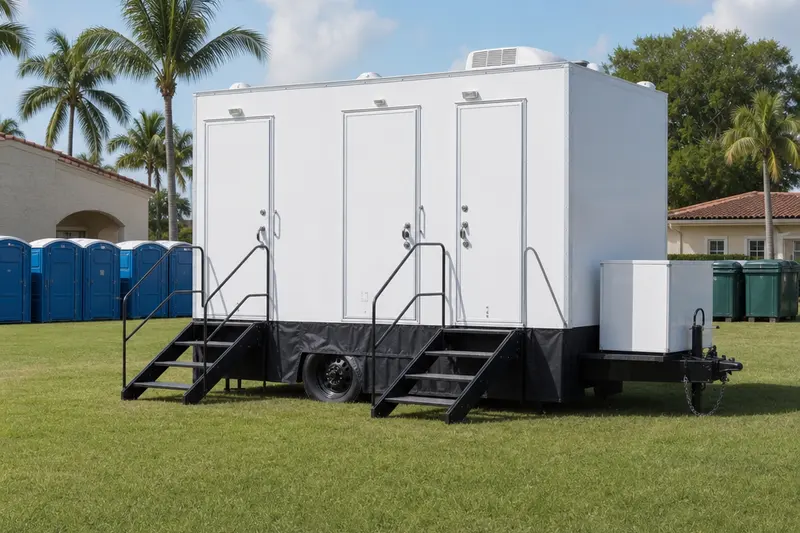
Restroom trailers need a separate placement conversation. Describe the available space, entrance, and site conditions, and ask about utility needs before committing. Confirm whether the equipment and access plan suit your guests. Do not assume a trailer automatically provides the same accessible arrangement as a purpose-selected accessible unit.
Count, placement, service, and weather
The best unit type still needs an appropriate quantity and a workable location. Use level ground, preserve service truck access, and choose shade where possible. Explain the event's setup or the work site's finished layout so we can discuss conditions beyond delivery day.
Atlantic hurricane season runs June 1 to November 30. Units should be secured or removed ahead of a named storm. Call early if weather changes the rental plan. Local permissions, HOA restrictions, and event requirements also need checking before equipment arrives.
Tell us who needs facilities and when.
Have the address, expected users, dates, and preferred amenities ready. We will discuss equipment options and servicing, then confirm availability and price by phone.
Call (754) 360-0055